
The Future of Healthcare: Technologies That Could Transform Human Life Over the Next Decade
Executive Summary
Healthcare is experiencing one of the most significant transformations in modern history. Artificial intelligence, robotics, wearable devices, personalized medicine, genomics, and telehealth are changing how patients receive care and how providers make decisions. These innovations have the potential to improve outcomes, increase efficiency, and expand access to healthcare services worldwide.
Why Healthcare Innovation Matters
Healthcare systems face rising costs, aging populations, workforce shortages, and increasing demand for specialized services. Technology provides opportunities to improve patient experiences while supporting healthcare professionals with better tools and insights.
Artificial Intelligence in Healthcare
AI supports healthcare professionals by helping analyze medical data, identify patterns, and improve decision-making processes.
- Medical imaging analysis
- Clinical decision support
- Predictive analytics
- Patient monitoring
- Administrative automation
Telehealth and Virtual Care
Telehealth has expanded access to healthcare by enabling patients to connect with providers remotely. This approach can improve convenience, reduce travel requirements, and increase access in underserved regions.
Wearable Technology
Wearable devices allow individuals to monitor health metrics in real time.
| Technology | Potential Benefits |
|---|---|
| Smart Watches | Activity and wellness tracking |
| Heart Monitoring Devices | Continuous observation |
| Sleep Trackers | Sleep quality insights |
| Fitness Devices | Physical activity monitoring |
Personalized Medicine
Advances in genetics and data analysis are helping healthcare professionals develop more personalized treatment strategies based on individual characteristics.
Robotics and Automation
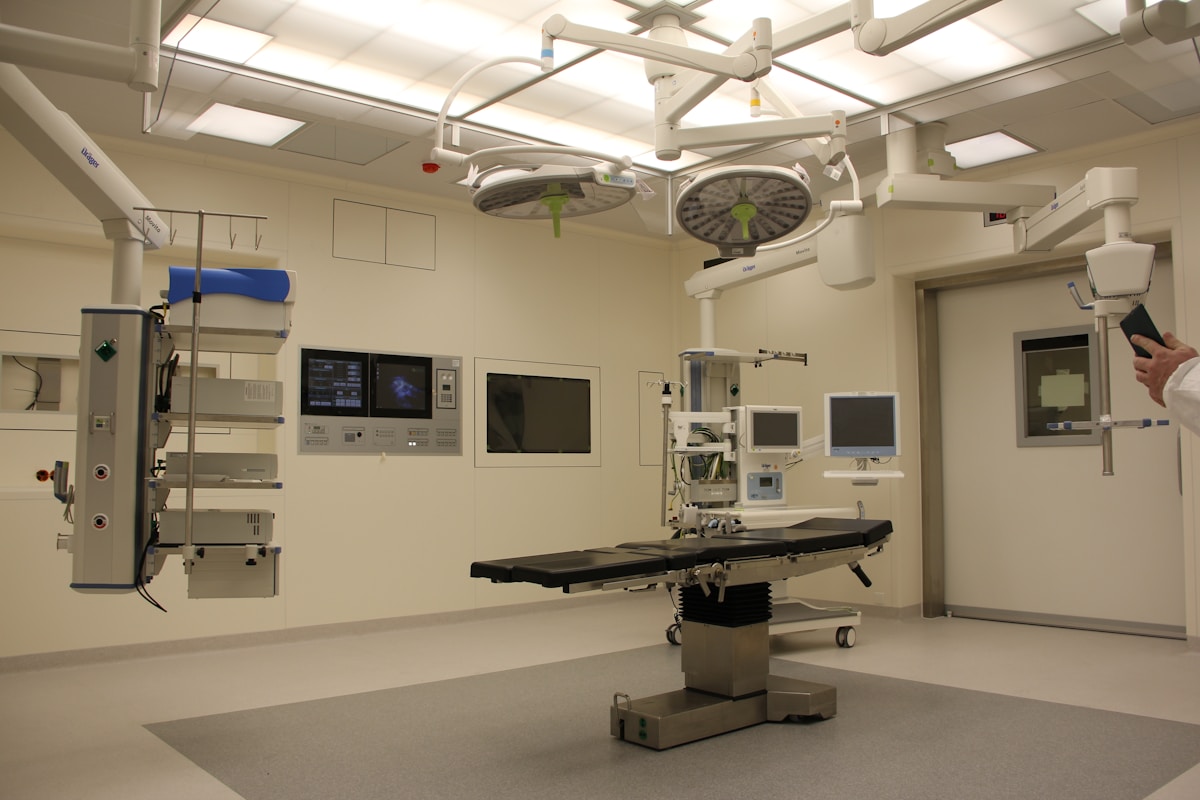
Robotic systems assist healthcare providers with precision tasks, logistics, and operational efficiency.
- Surgical assistance
- Hospital logistics
- Medication management
- Rehabilitation support

Preventive Healthcare
Modern healthcare increasingly focuses on prevention rather than treatment alone. Early detection and healthy lifestyle choices can improve long-term outcomes and reduce costs.
Challenges Facing Healthcare Innovation
- Data privacy concerns
- Cybersecurity risks
- Regulatory requirements
- Workforce training needs
- Technology adoption barriers
The Patient Experience
Technology can improve scheduling, communication, access to information, and coordination between providers and patients.
Future Trends
- AI-powered diagnostics
- Predictive healthcare analytics
- Advanced telemedicine
- Precision medicine
- Digital therapeutics
- Remote patient monitoring
Frequently Asked Questions
Will AI replace doctors?
AI is more likely to support healthcare professionals rather than replace them, helping improve efficiency and decision-making.
What is personalized medicine?
Personalized medicine tailors healthcare strategies based on individual characteristics and data.
Why is telehealth growing?
Telehealth improves convenience, accessibility, and efficiency for many healthcare interactions.
Conclusion
The future of healthcare is being shaped by innovation, data, and technology. While challenges remain, emerging solutions have the potential to improve outcomes, increase access, and create a more efficient healthcare ecosystem.