Home Blog

The Productivity Secrets of High Performers

0

The Productivity Secrets of High Performers: 21 Habits That Separate Top Achievers From Everyone Else

High performer focused on productivity and goal achievement
Consistent habits often separate top performers from average performers.

Executive Summary

Productivity is not about working longer hours. High performers focus on effectiveness, prioritization, decision-making, energy management, and consistent execution. This guide explores the habits, systems, and strategies that help individuals achieve more while maintaining sustainable performance.

Why Productivity Matters

In a rapidly changing world, the ability to manage time, attention, and energy effectively can significantly influence career growth, financial success, learning, and personal development.

The Mindset of High Performers

  • Long-term thinking
  • Personal accountability
  • Continuous learning
  • Strategic focus
  • Consistent execution
Professional planning goals and priorities
Planning and prioritization are core components of high performance.

21 Productivity Habits

1. Prioritize Important Work

Successful individuals focus on activities that create the greatest long-term value.

2. Set Clear Goals

Defined goals provide direction and improve decision-making.

3. Plan Each Day

Preparation reduces uncertainty and increases efficiency.

4. Protect Deep Work Time

Focused work sessions improve output quality and speed.

5. Minimize Distractions

Reducing interruptions improves concentration and productivity.

6. Learn Continuously

High performers invest in skills and knowledge development.

7. Delegate Effectively

Delegation creates capacity for higher-value activities.

8. Use Systems

Systems reduce decision fatigue and improve consistency.

9. Review Progress

Regular evaluation supports improvement.

10. Focus on Results

Outcomes matter more than activity alone.

11-21 Additional Habits

Time blocking, healthy routines, exercise, reading, networking, reflection, communication, resilience, adaptability, accountability, and execution.

Time Management Strategies

Strategy Purpose
Time Blocking Improve focus
Task Prioritization Increase impact
Batch Processing Reduce switching costs
Scheduling Improve consistency

The Role of Technology

Technology can improve productivity when used intentionally. Automation, project management tools, AI assistants, and digital collaboration platforms can help reduce repetitive work and improve efficiency.

Business team collaborating on productivity and performance goals
Collaboration and communication contribute to organizational performance.

Energy Management

High performance depends on physical and mental energy. Sleep, nutrition, exercise, and recovery influence productivity more than many people realize.

Common Productivity Mistakes

  • Multitasking excessively
  • Lack of prioritization
  • Constant notifications
  • Poor planning
  • Ignoring recovery
  • Failure to review progress

Building Sustainable Success

True productivity is sustainable. High performers avoid burnout by balancing ambition with recovery, discipline with flexibility, and intensity with long-term consistency.

Professional focused on long term success and personal growth
Sustainable habits compound into long-term achievement.

Frequently Asked Questions

What is the most important productivity habit?

Prioritizing high-value work consistently is often one of the most impactful habits.

Do successful people work longer hours?

Not necessarily. Many focus on effectiveness rather than simply increasing hours worked.

Can productivity be learned?

Yes. Productivity is largely the result of habits, systems, and consistent practice.

Conclusion

High performance is rarely the result of talent alone. Consistent habits, clear priorities, continuous learning, and disciplined execution help individuals achieve meaningful results over time.


Why Smart Americans Are Quietly Leaving Traditional Jobs

0

Why Smart Americans Are Quietly Leaving Traditional Jobs for Digital Income Streams

Entrepreneur building digital income streams online
Digital income opportunities continue attracting professionals seeking flexibility and growth.

Executive Summary

The nature of work is changing. Millions of professionals are exploring alternatives to traditional employment by building digital income streams, freelance businesses, consulting practices, online education platforms, content brands, and technology-enabled ventures. While traditional employment remains important, the digital economy has created opportunities that were difficult to access only a decade ago.

The Shift Toward Digital Income

Technology has reduced barriers to entry for entrepreneurship and independent work. Individuals can reach global audiences, sell expertise, create digital products, and build businesses with significantly lower startup costs than many traditional industries.

Why Professionals Are Looking Beyond Traditional Employment

  • Desire for flexibility
  • Income diversification
  • Career independence
  • Remote work opportunities
  • Technology accessibility
  • Changing workforce expectations
Professional working remotely on a digital business
Remote technology allows professionals to operate businesses from virtually anywhere.

Popular Digital Income Streams

Consulting

Experienced professionals often monetize expertise by helping businesses solve specific challenges.

Online Education

Courses, coaching programs, workshops, and training platforms create opportunities to share knowledge with broader audiences.

Content Creation

Blogs, newsletters, podcasts, and video channels can generate revenue through sponsorships, advertising, and premium offerings.

Digital Products

E-books, templates, software tools, guides, and online resources can provide scalable income opportunities.

Freelancing

Specialized skills such as marketing, design, development, writing, and analytics remain in demand globally.

Comparing Traditional and Digital Income

Factor Traditional Employment Digital Income
Income Source Single Employer Multiple Sources
Location Flexibility Limited Often High
Scalability Typically Moderate Potentially Significant
Control Employer Driven Self Directed

Skills Driving the Digital Economy

  • Digital Marketing
  • Artificial Intelligence
  • Content Strategy
  • Data Analytics
  • Sales
  • Automation
  • Business Development
  • Project Management
Team discussing digital business growth strategies
Digital businesses increasingly rely on specialized skills and technology.

Challenges of Building Digital Income

Success requires patience, consistency, skill development, marketing capability, and resilience. Building sustainable income streams often takes significant effort and time.

  • Competition
  • Market uncertainty
  • Client acquisition
  • Income variability
  • Continuous learning

How to Get Started

Identify Valuable Skills

Focus on expertise that solves real-world problems.

Create a Professional Presence

Develop a website, portfolio, and professional profiles.

Build Credibility

Publish content, case studies, testimonials, and results.

Develop Multiple Revenue Streams

Diversification can improve long-term stability.

Business growth analytics and digital income performance
Tracking performance is essential for sustainable business growth.

Frequently Asked Questions

Can digital income replace a full-time job?

For some individuals, digital income eventually becomes a primary source of earnings, although outcomes vary.

What skills are most valuable?

Skills related to marketing, technology, consulting, sales, AI, and business strategy continue to be highly valued.

Is digital entrepreneurship risky?

Every business venture involves risk, which is why planning, diversification, and skill development are important.

Conclusion

The digital economy continues creating opportunities for professionals to diversify income, increase flexibility, and build businesses around their expertise. While success requires commitment and execution, technology has made entrepreneurship more accessible than ever before.

The Future of Healthcare

0

The Future of Healthcare: Technologies That Could Transform Human Life Over the Next Decade

Executive Summary

Healthcare is experiencing one of the most significant transformations in modern history. Artificial intelligence, robotics, wearable devices, personalized medicine, genomics, and telehealth are changing how patients receive care and how providers make decisions. These innovations have the potential to improve outcomes, increase efficiency, and expand access to healthcare services worldwide.

Why Healthcare Innovation Matters

Healthcare systems face rising costs, aging populations, workforce shortages, and increasing demand for specialized services. Technology provides opportunities to improve patient experiences while supporting healthcare professionals with better tools and insights.

Artificial Intelligence in Healthcare

AI supports healthcare professionals by helping analyze medical data, identify patterns, and improve decision-making processes.

  • Medical imaging analysis
  • Clinical decision support
  • Predictive analytics
  • Patient monitoring
  • Administrative automation
Healthcare professional using advanced digital systems
Digital tools continue improving healthcare efficiency and patient care.

Telehealth and Virtual Care

Telehealth has expanded access to healthcare by enabling patients to connect with providers remotely. This approach can improve convenience, reduce travel requirements, and increase access in underserved regions.

Wearable Technology

Wearable devices allow individuals to monitor health metrics in real time.

Technology Potential Benefits
Smart Watches Activity and wellness tracking
Heart Monitoring Devices Continuous observation
Sleep Trackers Sleep quality insights
Fitness Devices Physical activity monitoring

Personalized Medicine

Advances in genetics and data analysis are helping healthcare professionals develop more personalized treatment strategies based on individual characteristics.

Robotics and Automation

Robotic systems assist healthcare providers with precision tasks, logistics, and operational efficiency.

  • Surgical assistance
  • Hospital logistics
  • Medication management
  • Rehabilitation support
Modern hospital technology and patient care systems
Hospitals continue adopting innovative technologies to improve outcomes.

Preventive Healthcare

Modern healthcare increasingly focuses on prevention rather than treatment alone. Early detection and healthy lifestyle choices can improve long-term outcomes and reduce costs.

Challenges Facing Healthcare Innovation

  • Data privacy concerns
  • Cybersecurity risks
  • Regulatory requirements
  • Workforce training needs
  • Technology adoption barriers

The Patient Experience

Technology can improve scheduling, communication, access to information, and coordination between providers and patients.

Future Trends

  • AI-powered diagnostics
  • Predictive healthcare analytics
  • Advanced telemedicine
  • Precision medicine
  • Digital therapeutics
  • Remote patient monitoring
Future healthcare technologies and medical innovation
The future of healthcare will combine human expertise with advanced technology.

Frequently Asked Questions

Will AI replace doctors?

AI is more likely to support healthcare professionals rather than replace them, helping improve efficiency and decision-making.

What is personalized medicine?

Personalized medicine tailors healthcare strategies based on individual characteristics and data.

Why is telehealth growing?

Telehealth improves convenience, accessibility, and efficiency for many healthcare interactions.

Conclusion

The future of healthcare is being shaped by innovation, data, and technology. While challenges remain, emerging solutions have the potential to improve outcomes, increase access, and create a more efficient healthcare ecosystem.

Remote Jobs That Pay More Than Traditional Office Careers

0

Remote Jobs That Pay More Than Traditional Office Careers in 2026

Remote professionals collaborating online
Remote work continues to create global career opportunities.

Executive Summary

Remote work has evolved from a workplace perk into a long-term employment model. Organizations increasingly hire talent based on skills rather than location, creating opportunities for professionals to access higher-paying roles while maintaining greater flexibility.

Why Remote Work Continues to Grow

Advances in collaboration tools, cloud platforms, video conferencing, and AI-powered productivity solutions have enabled companies to build distributed teams. Employers benefit from larger talent pools while employees gain access to opportunities that were previously limited by geography.

Modern digital workspace and remote work environment
Technology enables teams to collaborate across multiple locations.

High-Paying Remote Careers

Software Engineering

Software developers remain among the most sought-after remote professionals. Organizations require expertise in web development, cloud infrastructure, cybersecurity, and artificial intelligence.

AI Consulting

Companies implementing artificial intelligence often hire consultants to guide strategy, implementation, and optimization initiatives.

Digital Marketing Leadership

Organizations continue investing heavily in growth, demand generation, and customer acquisition. Experienced marketing leaders can often work remotely while managing global campaigns.

Data Analytics

Data analysts help organizations make informed decisions by transforming information into actionable insights.

Product Management

Product managers coordinate development, customer needs, business objectives, and technology teams.

Business professionals discussing strategy and growth
Strategic roles increasingly support remote and hybrid work models.

Salary Comparison

Role Typical Salary Range
Software Engineer $100,000 – $220,000
AI Consultant $120,000 – $300,000
Product Manager $110,000 – $240,000
Data Analyst $80,000 – $160,000
Marketing Director $100,000 – $250,000

Skills That Increase Remote Earning Potential

  • Communication
  • Leadership
  • Project Management
  • AI Literacy
  • Problem Solving
  • Data Analysis
  • Strategic Thinking

Challenges of Remote Work

Remote professionals must manage distractions, maintain productivity, communicate effectively, and continuously develop skills to remain competitive.

Remote professional working from a home office
Successful remote workers prioritize productivity and continuous learning.

Frequently Asked Questions

Do remote jobs pay less?

Many remote jobs offer compensation comparable to or higher than traditional office roles, particularly in technology and consulting sectors.

Which industries hire remote workers?

Technology, marketing, consulting, education, customer success, finance, and analytics frequently offer remote opportunities.

Is remote work here to stay?

Many organizations continue adopting remote and hybrid models because of operational flexibility and access to talent.

Conclusion

Remote work has transformed career opportunities. Professionals who develop in-demand skills and demonstrate measurable results can access opportunities beyond their local markets and potentially increase both income and career flexibility.

How to Build Wealth From Zero

0

How to Build Wealth From Zero: The Complete Financial Blueprint for Long-Term Financial Freedom

Reading Time: 12 Minutes

Executive Summary

Building wealth is not reserved for entrepreneurs, investors, celebrities, or those born into affluent families. Most financially successful individuals build wealth gradually through disciplined habits, strategic decision-making, consistent investing, and long-term thinking. This guide explains the practical principles that help ordinary people improve their financial position over time.

What Wealth Really Means

Many people confuse income with wealth. Income is what you earn. Wealth is what you keep, grow, and own. A high-income earner can struggle financially while someone with a moderate income can accumulate significant assets through disciplined financial management.

The Five Stages of Wealth Building

Stage 1: Financial Stability

The first goal is creating stability. This includes paying bills on time, controlling spending, and avoiding unnecessary debt.

Stage 2: Emergency Protection

Establish an emergency fund capable of covering several months of essential expenses.

Stage 3: Asset Accumulation

Begin purchasing assets that have the potential to increase in value or generate income.

Stage 4: Income Expansion

Focus on improving earning power through skills, business ownership, consulting, freelancing, or career advancement.

Stage 5: Financial Independence

When assets generate enough income to cover living expenses, financial independence becomes possible.

Why Most People Struggle Financially

  • Living beyond their means
  • Lack of budgeting
  • High-interest debt
  • Insufficient emergency savings
  • Delayed investing
  • Short-term financial decisions

The Power of Compounding

Compounding allows investment returns to generate additional returns over time. The earlier an individual begins investing, the greater the potential long-term impact.

Years Invested Potential Growth Impact
10 Years Moderate
20 Years Significant
30 Years Substantial
40 Years Potentially Transformational

Create a Wealth-Building Budget

A budget should direct money toward priorities rather than restrict freedom.

Core Categories

  • Housing
  • Food
  • Transportation
  • Insurance
  • Savings
  • Investments
  • Personal Development

Eliminating High-Interest Debt

Debt with high interest rates can significantly slow wealth creation. Many financial experts recommend focusing on eliminating expensive debt before aggressively pursuing advanced investment strategies.

Building Multiple Income Streams

One of the most common characteristics among financially successful individuals is income diversification.

Potential Income Sources

  • Primary Employment
  • Consulting
  • Freelancing
  • Digital Products
  • Dividend Investments
  • Rental Income
  • Business Ownership

Assets That Can Build Wealth

Stocks

Publicly traded companies allow investors to participate in business growth.

Real Estate

Property ownership may generate rental income and long-term appreciation.

Businesses

Entrepreneurship remains one of the most powerful wealth-building vehicles.

Intellectual Property

Books, courses, software, and digital assets can create recurring income opportunities.

Common Wealth-Building Mistakes

  • Trying to get rich quickly
  • Ignoring emergency savings
  • Following investment hype
  • Overspending after income increases
  • Failing to invest consistently
  • Neglecting financial education

The Wealth Mindset

Financial success often requires patience, discipline, delayed gratification, and long-term thinking. Wealth rarely results from a single decision. Instead, it is typically the result of thousands of decisions made consistently over many years.

Technology and Wealth Creation

The digital economy has created opportunities that previous generations could not access. Individuals can build businesses, create content, offer consulting services, sell digital products, and reach global audiences with relatively low startup costs.

Frequently Asked Questions

Can I build wealth on an average income?

Yes. Consistent saving, investing, and disciplined spending habits can improve financial outcomes regardless of starting income.

How much should I save?

The answer depends on goals, obligations, and circumstances, but maintaining a regular savings habit is often more important than the starting amount.

What is the biggest obstacle to wealth building?

For many people, inconsistent financial behavior and lack of long-term planning create the greatest challenges.

How long does it take to build wealth?

Wealth building is typically a long-term process measured in years and decades rather than months.

Final Thoughts

Building wealth is less about finding a secret strategy and more about applying proven principles consistently. Financial education, disciplined spending, strategic investing, and continuous personal development remain among the most reliable foundations for long-term financial success.

Featured Image Suggestion: Professional reviewing financial growth charts and investment planning documents.

The Real Cost of Living in America in 2026

0

The Real Cost of Living in America in 2026: A State-by-State Survival Guide

Executive Summary

The cost of living in the United States varies dramatically depending on location, housing markets, taxes, healthcare expenses, transportation costs, and local economic conditions. While some households thrive on moderate incomes, others struggle despite earning six figures. Understanding the true cost of living is essential for workers, families, retirees, entrepreneurs, and anyone considering relocation.

What Cost of Living Really Means

Cost of living refers to the amount of money required to maintain a specific standard of living in a particular location. It includes housing, food, transportation, healthcare, utilities, taxes, insurance, childcare, education, and discretionary spending.

The Biggest Household Expenses

  • Housing
  • Healthcare
  • Transportation
  • Food
  • Insurance
  • Childcare
  • Utilities
  • Taxes

Most Expensive States

California

High housing prices, insurance costs, and major metropolitan expenses continue to make California one of the most expensive places to live.

Hawaii

Imported goods, housing shortages, and transportation costs contribute to elevated living expenses.

New York

Housing and taxation remain major factors affecting affordability.

Massachusetts

Strong employment opportunities are offset by higher housing and healthcare costs.

Washington

Growing technology sectors have increased housing demand and living expenses.

States Offering Better Value

Texas

A diverse economy, lower housing costs in many regions, and business-friendly conditions continue attracting new residents.

Tennessee

Affordable housing and lower taxes make Tennessee attractive for remote workers and retirees.

North Carolina

Strong job growth and relatively moderate living costs create a balanced lifestyle option.

South Carolina

Offers lower housing costs and growing economic opportunities.

Indiana

Consistently ranks among more affordable states for families and professionals.

Housing Costs

Housing remains the largest expense for most Americans. Rent and mortgage payments can consume between 25% and 50% of household income depending on location. Property taxes, insurance premiums, maintenance, and utilities add significantly to total housing expenses.

Healthcare Costs

Healthcare remains one of the fastest-growing household expenses. Premiums, deductibles, prescriptions, and specialist visits can substantially impact annual budgets.

Transportation Costs

Vehicle ownership includes loan payments, fuel, insurance, maintenance, registration fees, and depreciation. In urban areas, public transportation costs may replace some vehicle expenses.

Food and Grocery Expenses

Food costs vary significantly across regions. Urban centers generally experience higher restaurant and grocery prices compared with smaller cities and rural communities.

Remote Work and Relocation

Remote work has enabled many professionals to relocate from high-cost metropolitan areas to more affordable regions while maintaining competitive salaries. This trend continues reshaping local housing markets.

Building a Sustainable Budget

Successful households often focus on controlling housing costs, reducing high-interest debt, maintaining emergency savings, and investing consistently for long-term financial stability.

Frequently Asked Questions

What is the biggest living expense for most households?

Housing is typically the largest expense category.

Which states are considered more affordable?

States such as Indiana, Tennessee, and portions of the Midwest often provide lower overall living costs.

Does remote work reduce living expenses?

Remote work can create relocation opportunities that reduce housing and commuting costs.

Conclusion

Understanding the true cost of living helps individuals make better decisions about careers, relocation, budgeting, and long-term financial planning. Evaluating total expenses rather than salary alone provides a clearer picture of financial well-being.

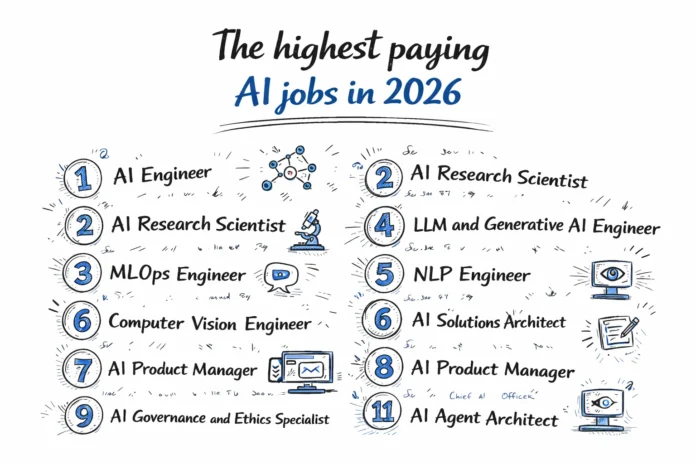
27 AI Jobs Paying Over $100,000 in 2026

0

27 AI Jobs Paying Over $100,000 in 2026: Salaries, Skills, Career Paths, and Hiring Trends

Executive Summary

Artificial intelligence has become one of the most important economic forces of the decade. Organizations are investing in generative AI, machine learning, automation, analytics, and intelligent decision-support systems. As adoption accelerates, demand for skilled professionals continues to exceed supply. This guide explores high-paying AI careers, required skills, salary expectations, and opportunities across industries.

Why AI Jobs Are Growing

Businesses face pressure to improve productivity, reduce costs, and deliver better customer experiences. AI helps organizations automate repetitive work, analyze large datasets, forecast trends, personalize customer interactions, and improve operational efficiency. As a result, AI-related hiring is expanding across healthcare, finance, cybersecurity, manufacturing, retail, logistics, education, and marketing.

Salary Landscape

Role Average Salary
AI Solutions Architect $150,000-$300,000+
Machine Learning Engineer $140,000-$280,000
AI Product Manager $120,000-$250,000
AI Consultant $100,000-$300,000+
Prompt Engineer $90,000-$180,000

The 27 AI Careers

1. AI Solutions Architect

Designs enterprise AI systems, selects technology stacks, evaluates vendors, and oversees implementation strategies. This role combines technical depth with strategic business thinking.

2. Machine Learning Engineer

Builds, trains, deploys, and monitors machine learning models used in production environments.

3. AI Product Manager

Bridges the gap between technical teams and business stakeholders.

4. AI Consultant

Advises organizations on AI adoption, transformation initiatives, and ROI measurement.

5. Prompt Engineer

Develops prompts, workflows, and evaluation systems for generative AI platforms.

6. AI Research Scientist

Conducts advanced research and algorithm development.

7. Data Scientist

Uses statistics, analytics, and machine learning to generate insights.

8. NLP Engineer

Builds language-based AI systems including chatbots and search tools.

9. Computer Vision Engineer

Creates systems that understand images and video.

10. Robotics Engineer

Develops intelligent robotic systems.

11. AI Security Specialist

Protects AI systems and data from misuse.

12. Deep Learning Engineer

Works with neural networks and advanced architectures.

13. AI Operations Manager

Oversees deployment, governance, and optimization.

14. AI Business Strategist

Aligns AI projects with business objectives.

15. AI Governance Specialist

Focuses on ethics, compliance, and risk management.

16. AI Auditor

Evaluates performance and compliance of AI systems.

17. AI Integration Specialist

Connects AI solutions with existing business systems.

18. AI Marketing Strategist

Uses AI to improve campaigns, personalization, and customer acquisition.

19. AI Sales Engineer

Supports enterprise sales of AI products and services.

20. AI Knowledge Manager

Organizes organizational knowledge for AI utilization.

21. Generative AI Specialist

Designs workflows powered by large language models.

22. AI Trainer

Improves AI outputs through evaluation and feedback.

23. AI Analyst

Analyzes AI performance and business impact.

24. AI Program Manager

Coordinates large-scale AI initiatives.

25. AI Customer Experience Lead

Improves customer journeys using AI.

26. AI Automation Architect

Designs end-to-end automation systems.

27. Chief AI Officer

Leads enterprise AI strategy and transformation.

AI Jobs Without Coding

Not every AI role requires software development expertise. Product managers, consultants, strategists, trainers, recruiters, sales engineers, and operations managers often focus on business outcomes rather than coding.

Skills Employers Want

  • Prompt Engineering
  • Python Fundamentals
  • Data Analytics
  • Machine Learning Concepts
  • Communication
  • Strategic Thinking
  • Project Management
  • Problem Solving

Industries Hiring AI Talent

Healthcare, finance, cybersecurity, retail, logistics, manufacturing, insurance, education, and marketing continue to invest heavily in AI initiatives.

How to Start an AI Career

Learn the fundamentals, build projects, create a portfolio, document results, and demonstrate measurable business outcomes. Employers increasingly value practical experience and evidence of execution.

Frequently Asked Questions

Is AI a good career?

Yes. AI remains one of the fastest-growing professional fields.

Can I work in AI without a degree?

Yes. Skills, projects, and results often matter more than credentials.

Which AI jobs pay the most?

Chief AI Officer, AI Solutions Architect, and AI Research Scientist roles typically command the highest compensation.

Conclusion

Artificial intelligence is creating opportunities across technical and non-technical disciplines. Professionals who continue learning and adapting will be well positioned to benefit from one of the largest workforce transformations in modern history.

The Health and Wellness Benefits of Organic Agarwood

0

Agarwood has been cherished not only for its captivating scent but also for its numerous health benefits. At DobyDil.com, we provide 100% organic agarwood products that can enhance your overall well-being. Let’s delve into the therapeutic properties of agarwood and how it can benefit your health.

Agarwood’s Therapeutic Properties The aromatic compounds in agarwood are known to have calming and soothing effects. Here are several ways that our organic agarwood can enhance your wellness routine:

  • Stress Relief: The rich, woody scent of agarwood can help alleviate anxiety and promote relaxation. Burning agarwood chips or using agarwood oil in a diffuser can create a serene atmosphere that aids in stress reduction.
  • Spiritual Practices: Agarwood has a long history of use in meditation and prayer. Its scent can help enhance focus and clarity, making it a popular choice for spiritual practitioners seeking deeper connections during their rituals.
  • Respiratory Health: Inhalation of agarwood smoke has been traditionally used to purify the air and may support respiratory functions. Using agarwood in a closed environment can create a calming and health-promoting atmosphere.

Conclusion Incorporating organic agarwood into your daily routine can provide both physical and mental health benefits. Discover the natural healing properties of agarwood by exploring our premium products at DobyDil.com.

Agarwood vs. Synthetic Perfumes: What Sets Natural Scents Apart

0

The debate between natural and synthetic fragrances has become increasingly relevant as consumers seek healthier options. At DobyDil.com, we champion the benefits of natural agarwood and invite you to explore why it’s the superior choice for fragrance lovers.

The Distinction of Natural Agarwood Natural agarwood offers an array of advantages that make it stand out from synthetic alternatives:

  • Authenticity: Many synthetic fragrances contain harmful chemicals, including phthalates and parabens, which can irritate the skin and pose health risks. Our agarwood is pure, sourced directly from organic farms, ensuring that you’re using a safe product.
  • Environmental Impact: Opting for organic products like agarwood supports sustainable farming practices that protect the environment. By choosing DobyDil.com, you contribute to eco-friendly practices that promote biodiversity and environmental stewardship.
  • Complexity of Scent: Natural fragrances have a dynamic quality that evolves with time, offering a rich and immersive olfactory experience. Synthetic scents, on the other hand, tend to have a flat, one-dimensional profile that lacks depth.

Conclusion Choosing natural agarwood is not just a lifestyle choice; it’s an investment in your health and the environment. Explore our collection at DobyDil.com and discover the unparalleled benefits of natural agarwood over synthetic fragrances.

Sustainable Agarwood Farming: How DobyDil.com Supports Nature

0

At DobyDil.com, sustainability is at the core of our operations. Our commitment to ethical agarwood farming practices not only benefits our customers but also the planet. Learn how we ensure that our products are eco-friendly and sustainable.

Sustainable Practices in Agarwood Farming We believe that luxury should not come at the expense of the environment. Here are some of the key sustainable practices we implement in our Thai agarwood farms:

  • Chemical-Free Cultivation: Our farms are managed without synthetic pesticides or fertilizers. By promoting biodiversity, we create a healthy ecosystem that allows our agarwood trees to thrive naturally.
  • Responsible Harvesting: We follow sustainable harvesting methods that prioritize the long-term health of agarwood trees. This ensures that we can continue to produce high-quality agarwood for generations to come.
  • Community Engagement: We support local farmers by providing fair wages and promoting sustainable agricultural practices. This not only improves local economies but also fosters a sense of community and shared responsibility for the environment.

Conclusion When you choose DobyDil.com, you are supporting sustainable practices that protect our planet. Explore our range of organic agarwood products and join us in making a positive impact on the environment.

How to Care for and Use Premium Agarwood Chips and Perfumes

0

If you’re new to agarwood, you might wonder how to best utilize and care for these premium products. This comprehensive guide will help you maximize your experience with DobyDil.com’s organic agarwood chips and perfumes.

Storing Your Agarwood Chips To preserve the quality and aroma of your agarwood chips, consider the following storage tips:

  • Cool, Dry Place: Store your agarwood in a cool, dry location away from direct sunlight. Excess heat and humidity can degrade the quality of the wood and its scent.
  • Airtight Container: Use an airtight container to protect your agarwood chips from moisture and contamination. This will help maintain their rich aroma over time.

Using Agarwood Chips for Incense Burning agarwood chips is a popular way to enjoy its fragrant qualities. Follow these steps for the best results:

  1. Prepare the Charcoal: Light a charcoal disc using a lighter or matches until it’s glowing. This usually takes a few minutes.
  2. Add Agarwood Chips: Once the charcoal is ready, place it in a heatproof dish or incense burner. Carefully sprinkle a few agarwood chips on top of the glowing charcoal.
  3. Enjoy the Aroma: Allow the chips to smolder and release their fragrant smoke. You can use this time to meditate, relax, or simply enjoy the calming scent.

Blending Agarwood Oils Our agarwood oils can be blended with other essential oils for a customized scent experience. Here’s how to create your unique blend:

  • Select Your Oils: Choose complementary essential oils, such as sandalwood, jasmine, or citrus scents.
  • Mix with Carrier Oil: Dilute your agarwood oil with a carrier oil, such as jojoba or sweet almond oil, to make it safe for skin application.
  • Test and Adjust: Apply a small amount to your skin to test the scent. Adjust the ratios as needed until you find your perfect blend.

Conclusion Caring for your agarwood products and using them effectively enhances your fragrance experience. Visit DobyDil.com for high-quality organic agarwood chips and oils that will elevate your scent journey.

Why Choose 100% Natural Agarwood for Your Fragrance Needs?

0

In today’s fragrance market, consumers are increasingly aware of the differences between synthetic and natural scents. At DobyDil.com, we specialize in 100% natural agarwood, offering a luxurious alternative to synthetic fragrances. Here, we explore the numerous benefits of choosing natural agarwood for your fragrance needs.

The Benefits of Natural Agarwood Natural agarwood provides a depth and complexity that synthetic fragrances often lack. Here are several compelling reasons to choose our organic agarwood products:

  • Authenticity: Each batch of our agarwood is sourced directly from our Thai farms, ensuring a pure and unadulterated product. Unlike synthetic alternatives, which can contain harmful chemicals, our agarwood is safe for your skin and health.
  • Rich Aroma: The scent of natural agarwood evolves and deepens over time, providing a unique fragrance experience with each use. This evolution creates a sensory journey that synthetic fragrances cannot replicate.
  • Health Benefits: The natural compounds found in agarwood can promote relaxation and reduce stress levels. Many people use agarwood in aromatherapy practices to enhance mental clarity and well-being.

Conclusion By choosing natural agarwood, you’re making a conscious decision for your health, the environment, and your senses. Visit DobyDil.com to explore our exquisite range of organic agarwood chips and perfumes and elevate your fragrance experience.